Enhancing the exterior of a residence involves more than just routine maintenance; it is a strategic investment that can significantly bolster market appeal. For many people, the first impression of a home is formed before even stepping through the front door.
This initial visual impact, often referred to as curb appeal, serves as a crucial factor in determining the perceived value of a property. Research frequently indicates that a well-executed outdoor design can increase a home’s resale price by up to fifteen percent, making it one of the most cost-effective ways to improve ROI compared to interior renovations.
By integrating the Best Landscaping Ideas for Homeowners Looking to Increase Property Value, it becomes possible to transform a standard yard into a sophisticated living space that resonates with modern buyers.
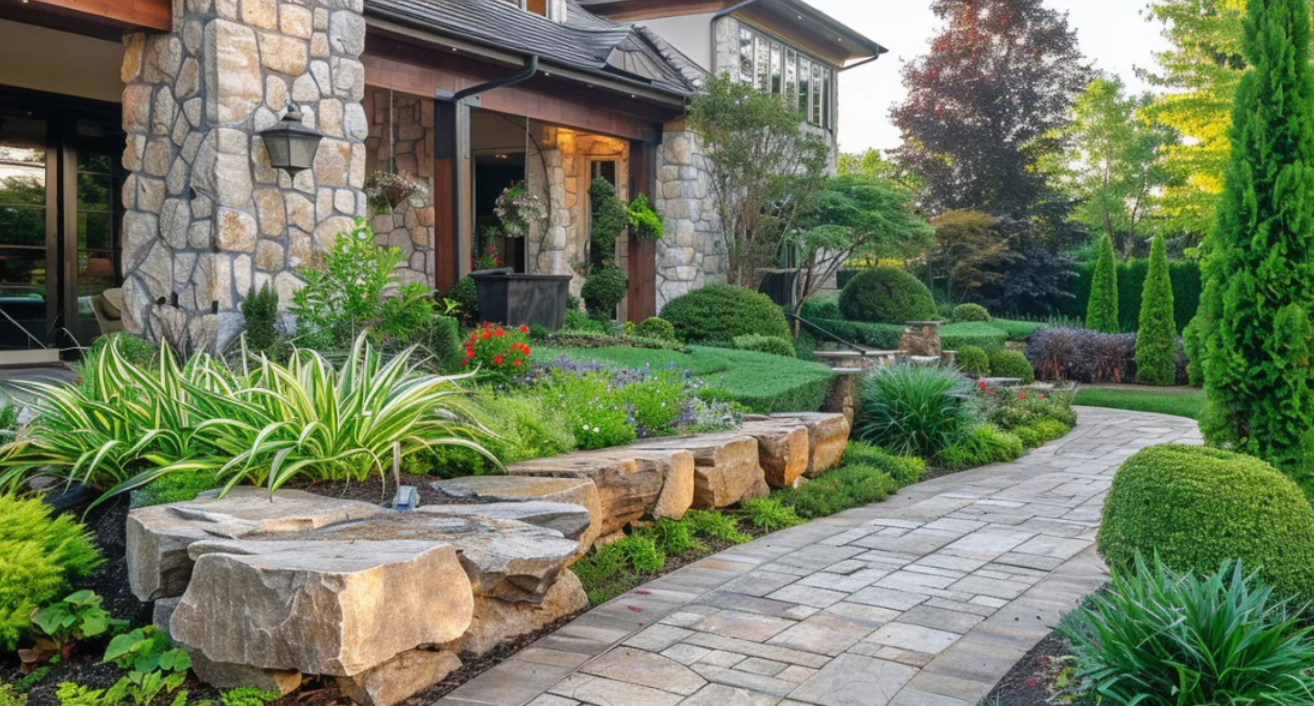
The journey toward a high-value landscape begins with understanding the balance between aesthetics and functionality. Prospective buyers are no longer just looking for a patch of green grass; they are seeking outdoor “rooms” that offer relaxation, entertainment, and environmental sustainability.
This shift in market demand means that thoughtful planning—incorporating elements like hardscaping, strategic lighting, and native plantings—is essential. Whether the goal is to sell in the near future or simply to enjoy a more beautiful environment, focusing on long-term growth and low-maintenance features ensures that the landscape remains an asset rather than a burden.
Modern landscaping trends emphasize harmony with the local ecosystem while providing a luxurious feel. Achieving this balance requires a deep dive into various design philosophies, ranging from the minimalist modern look to the lush, organic feel of a cottage garden.
By selecting the right combination of perennials, shrubs, and structural elements, any outdoor space can be elevated. This comprehensive guide explores the most effective strategies to boost property value, ensuring that every dollar spent contributes to a more inviting and lucrative home environment.
The Impact of Curb Appeal on Market Value
Curb appeal is often the deciding factor for potential buyers during the initial stages of a home search. When a property looks neglected from the outside, it creates a subconscious assumption that the interior and mechanical systems may also be poorly maintained.
Conversely, a manicured lawn, vibrant flower beds, and a clean entryway signal that the home has been cared for with pride. This emotional connection is what drives competitive bidding and allows sellers to command a higher premium in a crowded real estate market.
The financial returns on landscaping are unique because, unlike a kitchen remodel which begins to depreciate the moment it is completed, a garden grows more valuable as it matures. A tree planted today will be larger and more impressive in five years, providing more shade and aesthetic beauty.
This natural appreciation makes landscaping a “living investment.” Furthermore, professional landscaping can reduce the time a house stays on the market, as it stands out in online listings and attracts more foot traffic during open houses.
To maximize this impact, it is important to focus on consistency. The landscaping should match the architectural style of the house.
For example, a sleek, modern home benefits from geometric stone paths and structural grasses, while a Victorian-style home is better suited for overflowing rose bushes and intricate wrought iron details. Ensuring this stylistic alignment creates a cohesive narrative that buyers find irresistible.
Strategic Planting and Vegetation Choices
Selecting the right plants is the cornerstone of any high-value landscape. It is not just about choosing the prettiest flowers at the local nursery; it is about selecting species that will thrive in the local climate with minimal intervention.
Native plants are increasingly popular among homebuyers because they require less water, fewer pesticides, and provide a habitat for local pollinators. This eco-friendly approach is a major selling point in the current market.
Layering is a professional technique used to create depth and visual interest in garden beds. This involves placing taller trees or shrubs in the back, medium-sized perennials in the middle, and low-growing groundcovers or annuals in the front.
This tiered approach mimics natural landscapes and makes even a small yard feel more expansive. Additionally, choosing a variety of plants that bloom at different times of the year ensures that the property looks attractive in every season, not just during the spring.
In addition to beauty, plants can serve functional purposes that increase property value. For instance, high hedges or a row of dense evergreens can act as a natural privacy screen, shielding the yard from neighbors or street noise.
This sense of seclusion is highly prized by buyers. Similarly, deciduous trees planted on the southern side of a house can provide shade in the summer, lowering cooling costs, while allowing sunlight through in the winter to help heat the home.
The Role of Mature Trees
Mature trees are perhaps the most valuable individual components of a landscape. A single large tree can add thousands of dollars to a property’s value because it provides a sense of history and permanence that new developments lack.
Buyers appreciate the shade, the air purification, and the aesthetic character that only time can provide. If a property lacks mature trees, planting fast-growing varieties now is a wise move for future equity.
When selecting trees, it is vital to consider their proximity to the home’s foundation and underground pipes. Large-canopy trees like Oaks or Maples should be placed far enough away to prevent root damage.
For smaller yards, ornamental trees like Dogwoods, Japanese Maples, or Crepe Myrtles offer stunning seasonal color without taking up too much space. Maintaining the health of existing trees through professional pruning and disease management is equally important to preserve this vital asset.
Low-Maintenance Garden Solutions
While many people love the look of a lush garden, few want to spend every weekend weeding and pruning. Low-maintenance landscaping is a significant draw for busy professionals and retirees alike.
This can be achieved through “xeriscaping” or the use of mulch and groundcovers that suppress weeds and retain moisture. A landscape that looks professional but requires only monthly maintenance is often more attractive to a buyer than a complex, high-maintenance botanical garden.
Using perennial plants—those that come back year after year—is a smart way to reduce long-term costs and labor. Unlike annuals, which must be replanted every season, perennials like Lavender, Hostas, and Daylilies provide consistent beauty with minimal effort.
Integrating automatic drip irrigation systems also adds value, as it ensures the health of the plants while demonstrating a high level of technological convenience to potential buyers.
Hardscaping: Adding Structure and Functionality
Hardscaping refers to the non-living elements of a landscape, such as patios, walkways, retaining walls, and decks. These features provide the “bones” of the outdoor space and often dictate how the yard is used.
High-quality hardscaping can significantly expand the livable square footage of a home by creating outdoor rooms for dining, cooking, or lounging. In the eyes of a buyer, a well-built stone patio is essentially an extra room, which justifies a higher asking price.
The materials used in hardscaping play a large role in the perceived quality of the project. While poured concrete is functional, natural stone, pavers, or high-end composite decking are much more desirable.
These materials offer a more organic look and are generally more durable over time. Furthermore, well-designed walkways that lead clearly from the driveway to the front door or from the back door to a seating area create a sense of flow and organization throughout the property.
Retaining walls are another hardscaping element that adds both value and utility. On sloped lots, a retaining wall can turn unusable hillsides into level garden beds or flat lawn areas.
They also help prevent soil erosion and drainage issues, which are common concerns during home inspections. Using attractive masonry like stacked stone or textured blocks can turn a structural necessity into a beautiful focal point.
Designing the Perfect Outdoor Living Room
The concept of the “outdoor room” has revolutionized modern landscaping. Homeowners are looking for spaces that mimic the comfort of their interiors.
This includes features like fire pits, built-in seating, and even outdoor kitchens. A dedicated space for social gathering is one of the top features requested by home shoppers today.
Even a simple, well-defined gravel area with a few comfortable chairs and a fire bowl can transform the atmosphere of a backyard.
To create a successful outdoor living room, consider the “ceiling” and “walls.” This can be achieved through the use of pergolas, large umbrellas, or even strategically placed tall plants.
Adding a pergola not only provides shade but also adds a vertical architectural element that enhances the overall design. When these spaces are integrated seamlessly with the home’s exit points, they encourage a true indoor-outdoor lifestyle that is highly marketable.
Walkways and Pathways
Functional and attractive pathways are essential for guiding guests through the landscape and keeping feet off the grass. A meandering path made of flagstones or bricks adds a touch of charm and elegance.
It also provides a logical connection between different zones of the yard, such as a garden shed, a pool area, or a vegetable patch. Using lighting along these paths ensures safety and adds a magical ambiance during the evening hours.
When designing pathways, consider the width and the material. A main walkway to the front door should be wide enough for two people to walk side-by-side (usually 4 to 5 feet).
Secondary paths can be narrower and made of more informal materials like pea gravel or wood chips. Ensuring that all paths are level and free of tripping hazards is critical for both safety and passing home inspections during a sale.
Illuminating the Landscape: Outdoor Lighting
Landscape lighting is an often-overlooked element that provides a massive return on investment. It serves two primary purposes: safety and aesthetics.
Properly lit walkways, stairs, and entries reduce the risk of accidents at night. From an aesthetic standpoint, lighting allows the beauty of the landscape to be enjoyed long after the sun goes down.
Uplighting a majestic tree or silhouetting a textured wall adds a layer of sophistication that makes a property look like a luxury estate.
Modern LED technology has made landscape lighting more affordable and energy-efficient than ever before. Solar lights are an easy DIY option, but a hard-wired low-voltage system is generally preferred by buyers for its reliability and brightness.
Smart lighting systems that can be controlled via a smartphone app are a high-tech feature that modern buyers find particularly impressive. These systems allow for “scenes” to be set, such as “Entertainment Mode” or “Security Mode,” adding both convenience and peace of mind.
Strategic lighting should focus on highlighting the home’s best features while avoiding light pollution. Soft, warm tones are generally more inviting than harsh, cool white lights.
Positioning lights to graze the surface of stone walls can highlight textures, while “moonlighting”—placing lights high up in trees—creates a gentle, natural glow across the lawn. This attention to detail demonstrates that the homeowner has spared no expense in creating a premium environment.
Water Features and Focal Points
Adding a focal point to the landscape provides a sense of purpose and a place for the eye to rest. This could be a classic fountain, a modern sculpture, or a simple birdbath.
Water features, in particular, are highly valued for the tranquil sound they produce, which can help mask undesirable noises like traffic or loud neighbors. Even a small, self-contained bubbling urn can create a peaceful atmosphere that resonates with potential buyers on an emotional level.
While large ponds or waterfalls can be stunning, they often require significant maintenance, which may scare away some buyers. To maximize property value, it is often better to opt for low-maintenance water features that offer the same sensory benefits without the upkeep.
Disappearing fountains, where the water recirculates into a hidden underground reservoir, are a perfect middle ground. They provide the sight and sound of water without the risk of algae buildup or the need for frequent cleaning.
Other focal points could include high-quality garden art or a beautifully crafted gate. These elements add personality and “soul” to the landscape.
However, it is important to keep focal points tasteful and universally appealing. Avoid overly personalized or quirky items that might not align with a buyer’s taste.
The goal is to create a sophisticated, curated look that feels like a professional designer was involved.
Sustainable Landscaping and Eco-Friendly Trends
Sustainability is no longer just a buzzword; it is a significant factor in real estate value. Homeowners are increasingly looking for ways to reduce their environmental footprint and save money on utility bills.
Sustainable landscaping, such as rain gardens or “smart” irrigation, appeals to this demographic. A rain garden is a depressed area of the yard planted with native species that captures and filters runoff from roofs and driveways, preventing it from entering the storm drain system.
Another growing trend is the “edible landscape.” Integrating fruit trees, berry bushes, and herb gardens into the traditional ornamental landscape is both beautiful and functional.
Many buyers love the idea of picking fresh lemons from a tree or mint for a cocktail right in their backyard. When these elements are designed neatly—perhaps in raised cedar beds or as part of a formal hedge—they add a unique charm that sets a property apart from the competition.
Replacing traditional lawns with clover or drought-tolerant groundcovers is also gaining traction. Lawns are notorious for requiring vast amounts of water and chemicals.
By offering a property with a reduced-mow or no-mow alternative, homeowners can appeal to the eco-conscious buyer who values biodiversity and resource conservation. These sustainable choices demonstrate forward-thinking and responsibility, which are positive traits associated with the home’s overall value.
Comparing Landscaping Approaches: Professional vs. DIY
When it comes to landscaping for property value, the question often arises: should the work be done by the homeowner or a professional? There are distinct advantages to both, but the decision usually depends on the complexity of the project and the desired timeline. Below is a comparison to help determine the best route for maximizing ROI.
| Aspect | DIY Landscaping | Professional Landscaping |
|---|---|---|
| Cost | Lower initial cost, primarily for materials. | Higher cost, including labor and design fees. |
| Quality of Design | Varies based on the homeowner’s skill and research. | High-level design with focus on flow, scale, and longevity. |
| Time Commitment | Requires significant weekends and physical labor. | Completed quickly by a dedicated crew. |
| Complexity | Best for planting, mulching, and simple paths. | Necessary for grading, lighting, and heavy hardscaping. |
| Impact on Value | Good for maintenance and minor upgrades. | Highest ROI for major structural improvements. |
For most homeowners, a hybrid approach works best. Handling the “softscaping” (planting flowers, spreading mulch) can save money, while hiring professionals for “hardscaping” (patios, retaining walls) ensures structural integrity and a high-end finish.
A professional landscape designer can also create a master plan that can be implemented in phases, ensuring that the final result is cohesive even if it takes years to complete.
Maintaining the Investment
Even the most expensive landscape will lose its value if it is not properly maintained. Regular maintenance is the insurance policy for a landscaping investment.
This includes tasks like seasonal pruning, mulching, and fertilizing. Overgrown shrubs can hide the house and make the yard look messy, while dead plants are a red flag to buyers.
Keeping the edges of garden beds sharp and the lawn neatly trimmed provides that “magazine-ready” look that sells homes.
Weed control is perhaps the most important aspect of maintenance. A yard full of weeds suggests neglect and can be overwhelming for a new owner to fix.
Using organic pre-emergent fertilizers and thick layers of mulch can keep weeds at bay without the need for constant labor. Furthermore, ensuring that the irrigation system is functioning correctly prevents plants from dying during heatwaves, protecting the thousands of dollars spent on vegetation.
If a homeowner is planning to sell soon, a “refresh” is often more effective than a total overhaul. This involves fresh mulch, power washing the driveway and sidewalks, and adding a few pots of vibrant flowers near the entrance.
These relatively inexpensive tasks can make the existing landscape look brand new and significantly boost the home’s immediate appeal during a showing.
The Psychology of the Buyer
Understanding the psychology of the buyer is key to selecting the right landscaping features. Most buyers are looking for a lifestyle, not just a property.
They want to envision themselves hosting a summer BBQ, drinking coffee on a quiet patio, or watching their children play on a safe, green lawn. Every landscaping choice should aim to facilitate these positive visualizations.
When a backyard feels like a private sanctuary, it triggers a “must-have” emotional response.
Color psychology also plays a role. Blue and purple flowers are known to have a calming effect, making them perfect for a seating area or a “zen” garden.
Bright yellows and reds are energetic and eye-catching, making them ideal for the front of the house to draw people in. By carefully selecting a color palette, a homeowner can subtly influence the mood and perception of a visitor, making the property feel more welcoming and valuable.
Symmetry is another psychological trick used by professional landscapers. A symmetrical front entry—with matching planters on either side of the door or identical trees lining a walkway—creates a sense of balance and order.
Humans are naturally drawn to symmetry, and it conveys a sense of luxury and sophistication that disorganized gardens lack. Small details like these can have a disproportionately large impact on the final sale price.
Landscaping for Different Regions
It is important to remember that the “best” landscaping varies significantly by region. What adds value in a desert climate like Arizona is very different from what adds value in a rainy climate like the Pacific Northwest.
Homeowners should look at the most successful properties in their specific area to see what trends are resonating with local buyers. Understanding regional constraints and opportunities is vital for a successful project.
- Arid Regions: Focus on xeriscaping with decorative gravel, succulents, and shade structures to combat heat.
- Coastal Regions: Use salt-tolerant plants and durable materials like stone that won’t corrode in the humid, salty air.
- Tropical Regions: Embrace lush foliage and ensure proper drainage to handle heavy rainfall.
- Temperate Regions: Focus on multi-seasonal interest, ensuring the yard looks good even during the dormant winter months.
Regardless of the region, the goal remains the same: create a space that feels appropriate for its surroundings and offers the highest possible quality within that context. When landscaping feels “right” for the environment, it enhances the home’s connection to its location, which is a major selling point for any property.
Steps to Getting Started on Your Landscape Upgrade
- Set a Budget: Determine how much you are willing to invest. A general rule of thumb is to spend 5-10% of your home’s value on landscaping for a significant return.
- Identify Problem Areas: Walk around your property and look for dead spots, overgrown bushes, or drainage issues that need immediate attention.
- Create a Master Plan: Even if you can’t do everything at once, having a vision ensures that each small project contributes to a cohesive final look.
- Focus on the Front First: If the goal is property value, start with the area that everyone sees first to maximize curb appeal.
- Choose Durable Materials: Invest in high-quality stone and hardy plants that will last for years with minimal care.
- Consult a Professional: Even a one-hour consultation with a landscape architect can provide invaluable insights and prevent costly mistakes.
Conclusion
Investing in the Best Landscaping Ideas for Homeowners Looking to Increase Property Value is a multi-faceted approach that yields high rewards. From the structural integrity of hardscaping to the organic beauty of native plants and the safety of modern lighting, every element works together to create a cohesive and attractive package.
By focusing on low-maintenance, sustainable, and aesthetically pleasing designs, homeowners can ensure their property stands out in a competitive market while providing a beautiful space for themselves in the meantime. Ultimately, landscaping is about more than just plants; it is about creating a sense of home and value that begins the moment someone pulls into the driveway.
In the long run, the time and effort spent on your outdoor space will pay dividends, both in the enjoyment of your home and the eventual financial gain when it comes time to sell. By following the principles of good design, regional appropriateness, and consistent maintenance, you can transform your yard into your property’s greatest asset.
A beautiful landscape is an investment in your lifestyle and your future equity, making it one of the smartest moves any homeowner can make.
Frequently Asked Questions
What is the landscaping project with the highest ROI?
Generally, improving the lawn and adding fresh mulch to garden beds offers the highest return on investment because of the low cost and high visual impact. Adding a stone patio or deck also ranks highly because it increases the functional square footage of the home.
How much should I spend on landscaping to increase home value?
Most real estate experts recommend spending about 10% of your home’s total value on landscaping. If your home is worth $400,000, an investment of $40,000 in a professional, well-designed landscape can significantly boost the asking price and appeal.
Do swimming pools increase property value?
The value of a swimming pool depends heavily on the location. In warmer climates where they can be used year-round, they can add value.
However, in colder regions, they might be seen as a maintenance burden and could even decrease the number of interested buyers.
Can I improve my property value with a small budget?
Yes. Focus on the “low hanging fruit” like weeding, pruning overgrown trees, power washing walkways, and adding a few high-impact flowering plants near the entrance.
A clean, well-maintained yard is always more valuable than a neglected one, regardless of the budget.
Is lighting really that important for value?
Yes, lighting is critical for high-end properties. It adds a layer of security and luxury that buyers appreciate.
A well-lit home looks beautiful at night and allows for evening showings, which can be a major advantage during the selling process.