Creating a breathtaking outdoor space often feels like a trade-off between beauty and labor. Many homeowners dream of a sanctuary that mirrors the lush aesthetics of a luxury resort but find themselves deterred by the prospect of endless weeding, mowing, and pruning.
The secret to achieving a high-end look without the weekend-long chores lies in strategic design choices and the clever use of materials that age gracefully with minimal intervention. This guide explores how to build a low-maintenance backyard that looks expensive by prioritizing longevity, texture, and structural elegance over high-maintenance greenery.
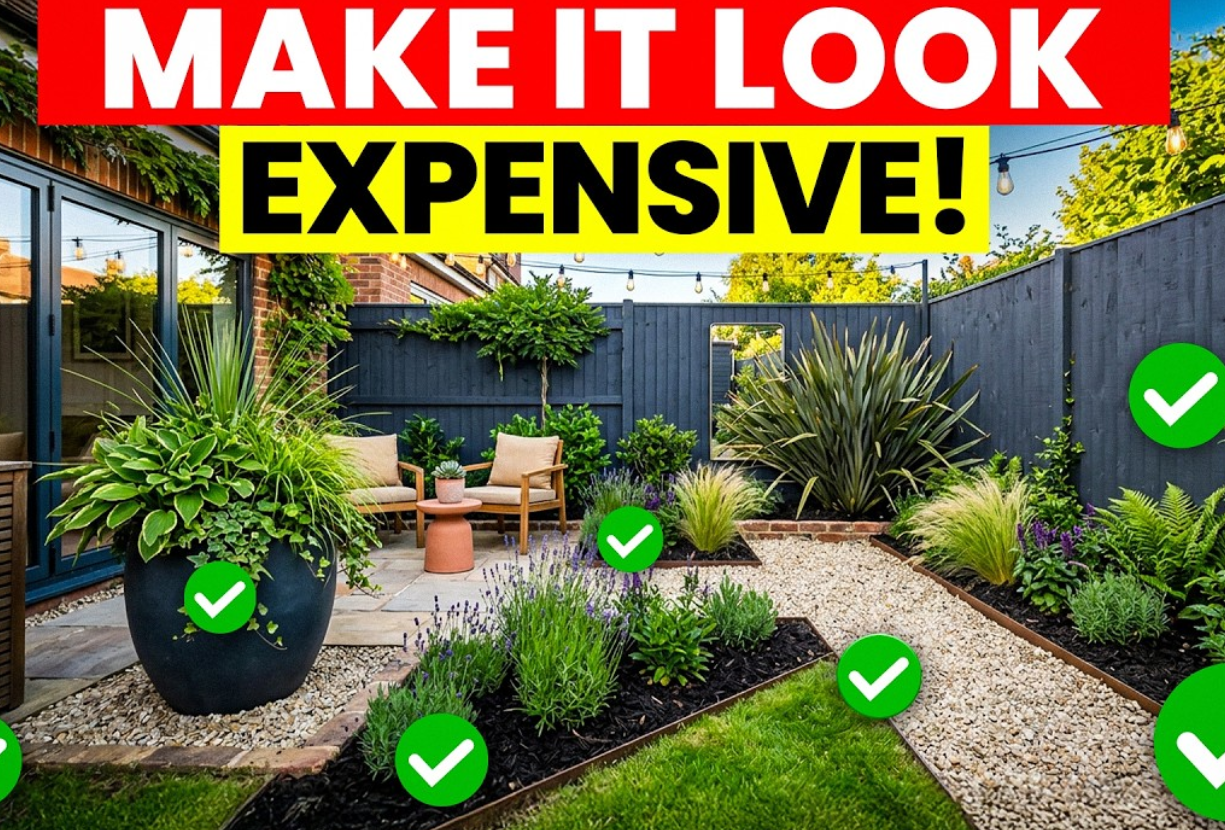
The concept of “quiet luxury” in landscaping has moved away from perfectly manicured English gardens toward more sustainable, architectural environments. By focusing on hardscaping, native plants, and sophisticated lighting, it is possible to create an environment that feels curated and intentional.
This approach not only saves time but also significantly reduces water consumption and the need for chemical fertilizers. Investing in quality materials early in the process ensures that the backyard remains a source of relaxation rather than a list of never-ending tasks.
Modern outdoor design emphasizes the seamless transition between indoor and outdoor living. When a backyard is designed with a cohesive color palette and high-quality textures, it naturally exudes an air of sophistication.
Whether dealing with a sprawling suburban lot or a compact urban patio, the principles of minimalism and structural balance remain the same. The goal is to create a space that looks like a professional designer was involved, all while keeping the maintenance schedule virtually non-existent for the homeowner.
The Philosophy of High-End Minimalist Landscaping
Understanding the core principles of high-end design is the first step in transforming a chaotic yard into a sleek retreat. Luxury is often defined by simplicity, consistency, and the quality of materials used.
Instead of filling every corner with various flower species that bloom at different times, professional designers often stick to a restricted palette. This creates a sense of harmony and scale that makes the space feel larger and more expensive than it actually is.
Another key element is the use of “negative space.” In a low-maintenance yard, not every square inch needs to be covered in plants.
Using gravel, large pavers, or decorative stones allows the eyes to rest and highlights the features that are present. This structural approach ensures that the yard looks finished year-round, regardless of the season or the blooming cycle of the plants.
It shifts the focus from biological growth to architectural beauty.
Defining the “Expensive” Aesthetic
What makes a backyard look expensive is often the level of detail in the permanent structures. Precision in the leveling of stones, the choice of a consistent color story, and the integration of functional zones all contribute to a premium feel.
High-end yards rarely look cluttered; they follow a logic where every element has a purpose, whether it is for seating, movement, or visual interest.
Color theory plays a massive role in this perception. Using neutral tones like slate grey, charcoal, warm beige, or crisp white provides a timeless backdrop that allows the natural green of the foliage to pop.
Avoid using too many brightly colored plastic accessories, as these tend to cheapen the look of the landscape over time. Instead, opt for natural materials like wood, stone, and metal.
Choosing Materials for Durability and Style
The foundation of any low-maintenance backyard is the material used for the ground cover and structures. Traditional grass lawns are notorious for being “high-maintenance” due to the need for constant watering, mowing, and aeration.
Replacing large portions of the lawn with hardscaping is the most effective way to reduce work while increasing the “wow” factor of the property. Selecting materials that are both weather-resistant and visually striking is essential for long-term success.
Natural stone, such as travertine, bluestone, or slate, offers a level of sophistication that concrete cannot match. While the initial investment may be higher, these materials do not fade or crack as easily, and their natural variations in color provide a depth that looks incredibly high-end.
For those on a stricter budget, large-format porcelain pavers are a fantastic alternative, offering a clean, contemporary look that is nearly impossible to stain.
The Rise of Composite Decking
Traditional wood decks require annual staining, sealing, and sanding to prevent rot and graying. To achieve an expensive look with zero maintenance, composite decking is the superior choice.
Modern composite materials are engineered to mimic the grain and texture of exotic hardwoods like Ipe or Teak but are made from recycled plastics and wood fibers. They do not warp, splinter, or require painting.
Using hidden fasteners during installation creates a smooth, seamless surface that looks modern and polished. This attention to detail—where no screw heads are visible—is a hallmark of luxury construction.
Composite decking also stays cooler under the sun and is resistant to mold, making it perfect for pool surrounds or elevated dining areas.
Strategic Planting: Native and Perennial Solutions
A backyard without plants can feel cold and industrial, but a backyard with the wrong plants becomes a full-time job. The secret to a lush look that requires no effort is the use of native species and ornamental grasses.
Native plants are naturally adapted to the local climate and soil conditions, meaning they require significantly less water and are more resistant to local pests and diseases once established.
Ornamental grasses, such as Feather Reed Grass or Mexican Feather Grass, add movement and texture to the garden. They grow in elegant clumps that look intentional and “designed.
” These plants typically only need to be cut back once a year in the late winter, making them the ultimate low-maintenance greenery for a sophisticated landscape.
The Power of Mass Planting
Instead of planting one of everything, try planting 20 of the same thing. Mass planting is a technique used by luxury landscape architects to create a high-impact, cohesive look.
A long row of Lavender or a large patch of Hostas creates a visual “moment” that feels much more expensive than a scattered garden bed. This approach also simplifies maintenance, as all the plants in a given area have the same water and sunlight requirements.
- Boxwood Hedges: These provide a structured, formal look that defines spaces and stays green all year.
- Succulents: Perfect for warmer climates, they offer geometric shapes and require almost no water.
- Evergreens: Trees like the Emerald Green Arborvitae provide privacy and a lush backdrop with zero seasonal cleanup.
Implementing Modern Hardscaping Techniques
Hardscaping refers to the non-living elements of the landscape. To build a backyard that looks expensive, the hardscaping should be treated as the “bones” of the design.
Clean lines and geometric shapes are currently at the forefront of luxury outdoor trends. Large rectangular pavers separated by small gaps of river rock or artificial turf create a high-contrast, modern appearance that is very popular in high-end coastal homes.
Incorporating different levels can also add a sense of grandeur. Even a slight elevation change for a dining area or a sunken fire pit can make a standard backyard feel like a multi-zone retreat.
This architectural variety suggests a level of custom design that is rarely seen in basic DIY projects.
Gravel and Decorative Aggregates
Gravel is often misunderstood as a “cheap” material, but when used correctly, it is one of the most versatile tools for a low-maintenance, expensive-looking yard. Pea gravel or crushed marble can be used to create paths, “floors” for seating areas, or as a mulch substitute in garden beds.
It provides excellent drainage and prevents weed growth when paired with a high-quality landscape fabric.
To keep gravel looking high-end, it is vital to use steel or stone edging. This keeps the stones in place and creates a sharp, clean border between the gravel and other elements of the yard.
This separation of textures is what differentiates a professional landscape from a haphazard one.
Outdoor Lighting: The Secret to Instant Luxury
Nothing transforms a backyard more effectively than a professional lighting scheme. Lighting allows the beauty of the landscape to be enjoyed long after the sun goes down and adds a layer of safety and security.
High-end backyards utilize “layering” in their lighting design, combining ambient, task, and accent lighting to create depth and drama.
Focusing light on specific architectural features, such as a large tree, a stone wall, or a water feature, creates focal points that guide the eye. Low-voltage LED systems are the standard for modern landscapes because they are energy-efficient, long-lasting, and easy to install.
Avoid bright, overhanging floodlights, which can feel harsh and institutional.
Types of Lighting for a High-End Look
- Uplighting: Placing lights at the base of trees or structures to shine upwards, highlighting texture and height.
- Path Lights: Small, stylish fixtures that illuminate walkways for safety while adding a rhythmic visual element.
- Moonlighting: Placing lights high up in tree branches to cast a soft, natural glow downward, mimicking the effect of moonlight.
- Bistro Lights: High-quality string lights draped over a dining area to create a warm, inviting atmosphere.
Water Features with Minimal Upkeep
The sound of running water is synonymous with luxury and relaxation. However, traditional ponds can be a nightmare to maintain, requiring filtration systems, algae control, and seasonal cleaning.
To get the expensive look of water without the work, consider a “pondless” water feature or a simple stone bubbling fountain. These systems circulate water from a hidden underground reservoir, which means there is no standing water to attract mosquitoes or grow algae.
A sleek, wall-mounted spillway into a decorative basin can also serve as a stunning focal point. By choosing a self-contained unit, the installation is simplified, and the maintenance is reduced to occasionally topping off the water level.
The presence of water instantly elevates the sensory experience of the backyard, making it feel like a high-end spa.
Comparison: Traditional Lawns vs. Low-Maintenance Alternatives
To understand why switching to a low-maintenance design is beneficial, it helps to compare the long-term costs and labor associated with traditional landscaping versus the modern, expensive-looking approach.
| Feature | Traditional High-Maintenance | Modern Low-Maintenance (Luxury) |
|---|---|---|
| Ground Cover | Turf Grass (Mowing, Seeding, Watering) | Large Pavers or Artificial Turf |
| Planting | Annual Flowers (Seasonal Replacement) | Native Perennials and Evergreens |
| Edging | Plastic Borders (Degrades quickly) | Steel or Natural Stone Edging |
| Irrigation | Manual Hose Watering | Smart Drip Irrigation System |
| Cost over 5 Years | High (Labor, Water, Chemicals) | Low (Initial investment only) |
Artificial Turf: Is It Worth the Investment?
One of the most controversial yet effective ways to achieve a pristine, expensive look is the installation of high-quality artificial turf. In the past, synthetic grass looked fake and felt like plastic.
Today, premium options feature multi-tonal blades and realistic thatch layers that are nearly indistinguishable from real grass. For a backyard that looks “expensive,” the grass must look perfect 365 days a year, and artificial turf is the only way to guarantee that without effort.
Artificial turf is particularly useful in shaded areas where real grass struggles to grow or in pet-friendly yards where “brown spots” are a common issue. It requires no water, no fertilizer, and no mowing.
While the upfront cost is significant, the return on investment comes through saved water bills and reclaimed weekend time. Pairing artificial turf with stone pavers in a “grid” or “checkerboard” pattern is a classic luxury design move.
Smart Technology in the Backyard
Luxury is often about convenience. Integrating smart technology into the backyard design can further reduce maintenance while enhancing the user experience.
Smart irrigation controllers can monitor local weather forecasts and adjust watering schedules automatically, ensuring that plants get exactly what they need and nothing more. This prevents overwatering and keeps the garden looking healthy with zero manual input.
Furthermore, smart outdoor lighting systems can be controlled via smartphone apps, allowing for custom “scenes” and automated scheduling. Imagine the backyard automatically glowing with warm light exactly at sunset, or the water fountain turning off at night to save energy.
These small touches of automation contribute to a “set it and forget it” lifestyle that defines the modern luxury home.
Creating Functional Zones with Furniture
The furniture chosen for the backyard acts as the “decor” that completes the look. To maintain an expensive aesthetic, choose fewer, larger pieces rather than many small, cluttered items.
A high-quality sectional sofa made of weather-resistant aluminum or teak serves as an anchor for the space. Using outdoor rugs can also help define a “room” outdoors, adding color and texture that makes the area feel like an extension of the interior.
Furniture should be low-profile and modular to maintain a modern feel. Investing in high-performance outdoor fabrics like Sunbrella ensures that cushions won’t fade or mildew after a single season.
By selecting timeless designs in neutral colors, the furniture will remain stylish for years, requiring only a quick wipe-down or seasonal covering to stay in top condition.
The Impact of Vertical Interest
A common mistake in backyard design is keeping everything at ground level. To make a space look professionally designed and expensive, it is important to draw the eye upward.
This can be achieved through the use of pergolas, privacy screens, or tall architectural plants. A pergola not only provides shade but also adds a significant structural element that defines the “living” area of the yard.
Privacy screens made of laser-cut metal or horizontal wood slats can hide unsightly necessities like trash cans or AC units while adding an artistic touch. These vertical elements create layers within the landscape, making the overall design feel more complex and well-thought-out.
They also provide opportunities for climbing plants like Star Jasmine, which offers a wonderful scent with very little pruning required.
Summary of Steps to Achieve the Look
Building a high-end, low-maintenance backyard is a process of subtraction as much as addition. By removing the elements that cause stress—like patchy grass and thirsty flowers—and replacing them with intentional structures and resilient plants, a professional-grade sanctuary is born.
Focus on the quality of every stone and the placement of every light to ensure a cohesive result.
- Start with a master plan that prioritizes hardscaping over softscaping.
- Select a limited color palette of 2-3 neutral tones.
- Invest in high-quality, weather-resistant materials like stone and composite.
- Use mass planting of native species to create visual impact.
- Install a layered lighting system to highlight the yard’s best features.
- Automate as much as possible with smart controllers for irrigation and light.
Ultimately, a luxury backyard is one that serves the lifestyle of the owner. By choosing a low-maintenance path, the focus shifts from the work required to maintain the space to the enjoyment of living in it.
An expensive-looking yard isn’t just about the price tag of the materials; it’s about the clarity of the vision and the precision of the execution. With these strategies, anyone can create an outdoor haven that is both beautiful and easy to manage for years to come.
Frequently Asked Questions
What is the most low-maintenance ground cover for a backyard?
The most low-maintenance options are hardscaping materials like gravel, pavers, or artificial turf. If greenery is preferred, ground-hugging succulents or “no-mow” clover can provide a lush look without the constant upkeep of traditional grass.
How can I make my backyard look expensive on a budget?
Focus on “high-impact” changes like adding a fresh layer of dark mulch, installing DIY solar path lighting, and using a consistent color for all pots and furniture. Clean lines and the removal of clutter are free ways to instantly elevate the aesthetic.
Do I need an architect to build a luxury backyard?
While an architect can help with complex terrain or large structures, many homeowners can achieve a luxury look by following the principles of minimalism, symmetry, and quality material selection. Utilizing online design tools or consulting with a local nursery for native plant advice can also bridge the gap.
Which plants are best for a “set it and forget it” garden?
Native perennials, ornamental grasses (like Pennisetum), and evergreen shrubs (sech as Juniper or Boxwood) are the best choices. These plants are hardy, require minimal pruning, and look good throughout the year once they have established their root systems.
How do I stop weeds without using chemicals?
The best way to prevent weeds naturally is by using a high-quality landscape fabric under gravel or mulch. Densely planting your garden beds so there is no bare soil also prevents weed seeds from taking root, as the desired plants will outcompete them for light and nutrients.