Managing a distributed workforce presents a unique set of challenges that traditional office environments rarely encounter. Success in a digital workspace depends heavily on how information flows between team members who may be working across different time zones and cultural contexts.
Without a centralized hub for communication and task tracking, projects can easily succumb to scope creep, missed deadlines, and fragmented data. Choosing the Best Project Management Tools for Remote Teams is not just about adopting new technology; it is about building a virtual infrastructure that fosters transparency and accountability.
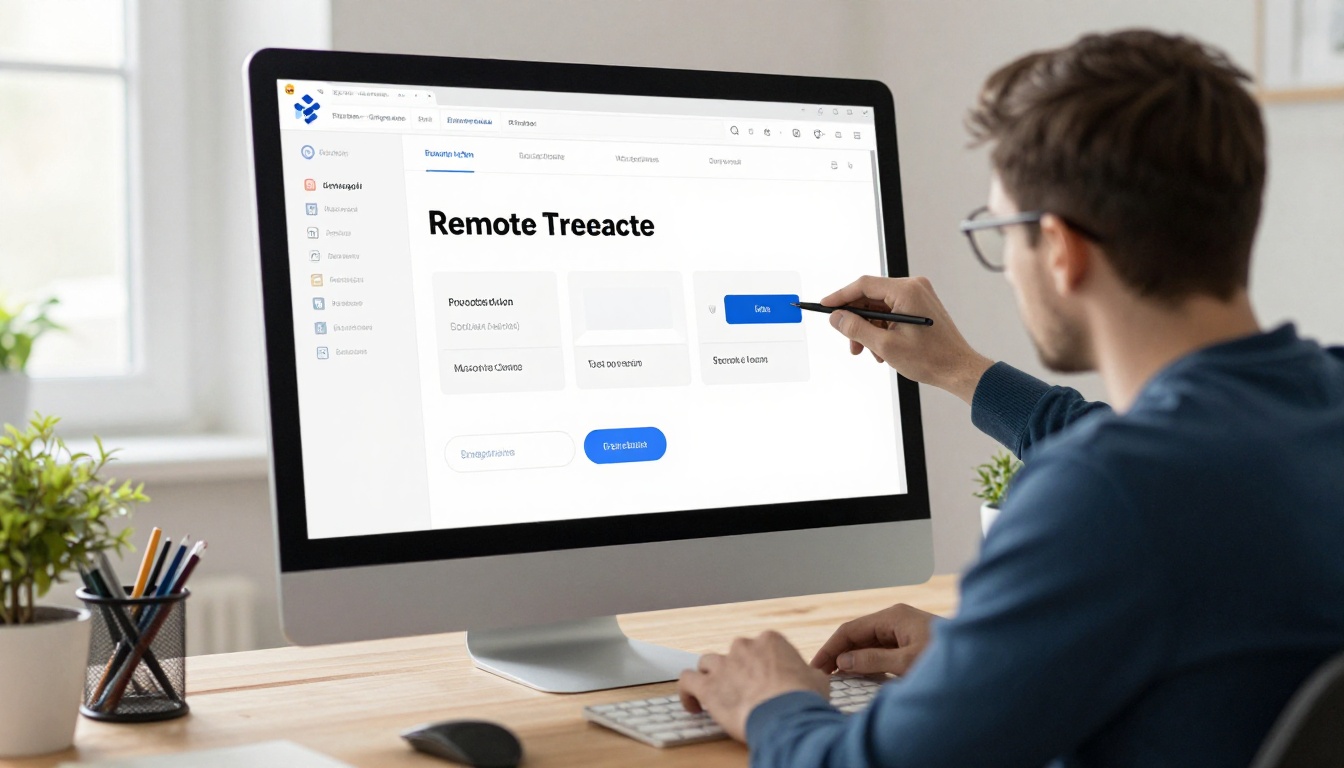
The transition to remote work has accelerated the demand for sophisticated software that does more than just list tasks. Modern teams require integrated ecosystems where documentation, real-time messaging, and progress visualization coexist seamlessly.
When team members cannot walk over to a colleague’s desk for an update, the software must act as the single source of truth. This ensures that every stakeholder, from the project manager to the individual contributor, remains aligned with the overarching business objectives regardless of their physical location.
The current landscape of digital collaboration is vast, offering solutions tailored to various methodologies such as Agile, Scrum, or Waterfall. Finding the right fit requires a deep understanding of specific organizational needs, budget constraints, and technical requirements.
Whether the goal is to streamline complex software development lifecycles or manage simple creative workflows, the right tool serves as the backbone of operational efficiency. By prioritizing features like automation, third-party integrations, and mobile accessibility, organizations can empower their employees to perform at their peak from anywhere in the world.
Understanding the Evolution of Remote Collaboration
Project management has shifted from physical whiteboards and spreadsheets to dynamic, cloud-based platforms that offer real-time updates. In the past, remote work was often hindered by the lag in communication, but today’s tools have bridged that gap effectively.
The primary focus has moved toward creating a “digital headquarters” where the culture of the company can thrive alongside its technical output. This evolution reflects a broader change in how professionals define productivity and success in the 21st century.
For remote teams, the biggest hurdle is often the “visibility gap.” Managers need to know what is being worked on without resorting to micromanagement, which can erode trust.
Modern tools solve this by providing visual dashboards that show the status of every moving part in a project. This level of clarity allows teams to pivot quickly when obstacles arise, ensuring that resources are allocated efficiently.
High-performing teams leverage these insights to maintain a steady cadence of delivery without the burnout associated with constant status meetings.
Moreover, the integration of artificial intelligence into these platforms is changing the way projects are planned. Predictive analytics can now estimate completion dates based on historical data, while automated assistants handle repetitive administrative tasks.
This allows human workers to focus on high-value creative and strategic work. As we look deeper into the specific tools available, it becomes clear that the best choice is one that balances powerful functionality with a user-friendly interface that encourages daily engagement.
The Foundation of Effective Remote Management
Before selecting a platform, it is essential to identify the core pillars that make a tool effective for a remote setting. A tool is only as good as the processes it supports.
Teams should look for features that facilitate asynchronous communication, as this is the lifeblood of global operations. Asynchronous work allows individuals to contribute at their most productive times without waiting for a live meeting, which is often difficult to schedule across continents.
Another critical pillar is the ease of file sharing and version control. In a remote environment, having multiple versions of a document floating around in email threads is a recipe for disaster.
The best tools provide a centralized repository for all project-related assets, ensuring that everyone is working from the most recent iteration. Security also plays a vital role, as sensitive company data is being accessed from various home networks.
Robust encryption and multi-factor authentication are non-negotiable requirements for any enterprise-grade project management solution.
Finally, scalability must be considered. A tool that works for a five-person startup might struggle to handle the complexity of a 500-person corporation.
The ideal software should grow with the organization, offering advanced permissions, custom reporting, and API access for bespoke integrations. By evaluating tools through the lens of these foundational pillars, organizations can make an informed decision that provides long-term value rather than a temporary fix.
Asana: Best for Visual Workflow Management
Asana has established itself as a leader in the project management space by focusing on clarity and ease of use. It allows teams to map out every step of a project, ensuring that no detail is overlooked.
The platform is particularly well-suited for marketing agencies and creative teams who need to visualize their work in different formats, such as lists, boards, or timelines. Its intuitive design reduces the learning curve, making it easy for new hires to get up to speed quickly.
One of the standout features of Asana is the “Workload” view, which helps managers monitor the capacity of their team members. This is crucial in a remote setting where it is harder to notice if someone is overwhelmed.
By seeing exactly how many tasks are assigned to each person, managers can redistribute work to prevent burnout. Asana also offers a wide range of templates that can be used to launch new projects in minutes, saving valuable administrative time.
For teams looking to automate their processes, Asana’s “Rules” feature allows users to set up triggers and actions. For example, when a task is moved to the “Review” column, an automatic notification can be sent to the quality assurance lead.
This reduces the need for manual check-ins and keeps the workflow moving smoothly. Asana integrates with major tools like Slack, Google Drive, and Salesforce, making it a highly versatile choice for diverse business environments.
Key Features of Asana
- Multiple Project Views: Switch between List, Kanban Board, Timeline (Gantt), and Calendar views depending on the project needs.
- Custom Fields: Add specific data points to tasks, such as priority levels, estimated hours, or budget codes.
- Portfolio Management: Monitor the progress of multiple projects in one high-level dashboard to ensure strategic goals are met.
- Form Submissions: Use internal or external forms to collect work requests, which are then automatically converted into tasks.
Trello: Simplicity and the Kanban Method
Trello is often the first choice for teams that prefer a minimalist approach to project management. Based on the Kanban system, it uses a simple visual metaphor of boards, lists, and cards to represent the flow of work.
This transparency makes it incredibly easy for anyone to see the status of a project at a glance. It is highly flexible and can be adapted for everything from personal task management to complex product development cycles.
The beauty of Trello lies in its “Power-Ups,” which are integrations that add specialized functionality to a board. Whether it is adding a calendar, syncing with GitHub, or enabling time tracking, Power-Ups allow teams to build a customized tool without the clutter of features they don’t need.
Trello’s mobile app is also highly regarded, providing a seamless experience for team members who need to manage tasks on the go.
Automation in Trello is handled by “Butler,” a built-in assistant that can perform complex sequences of actions with a single click. Users can create buttons that move cards, assign members, and set due dates simultaneously.
This level of customization ensures that the tool adapts to the team’s specific workflow rather than forcing the team to change their habits. For small to medium-sized remote teams, Trello offers a low-barrier entry point into professional project management.
Advantages of Using Trello
- Intuitive Interface: The drag-and-drop system is easy to learn and requires almost no training.
- High Visibility: Everyone on the team can see who is doing what, reducing the need for status updates.
- Butler Automation: Automate repetitive tasks without needing to write any code.
- Extensive Integration Library: Connect with hundreds of other apps to centralize documentation and communication.
Monday.com: The Work OS for High Customization
Monday.com positions itself as a “Work OS,” a platform designed to let teams build their own custom applications to manage their work. It goes far beyond simple task tracking, offering robust solutions for CRM, software development, and human resources.
The platform is highly visual, using color-coded statuses and a variety of data visualizations to provide a comprehensive look at organizational health. It is particularly effective for larger teams that require complex data handling and reporting.
The level of customization available in Monday.com is unparalleled. Users can create custom columns for almost any type of data, from checkboxes and links to location tags and formulas.
This flexibility allows teams to create a workspace that perfectly mirrors their real-world operations. Furthermore, Monday.com’s automation engine is incredibly powerful, allowing for cross-board automations that can synchronize data across different departments automatically.
For remote teams, the “Dashboards” feature is a game-changer. It allows for the creation of centralized hubs that pull data from multiple boards to show high-level KPIs and progress metrics.
This is essential for executives who need to see the big picture without diving into the minutiae of individual tasks. Despite its deep functionality, Monday.com maintains a modern and engaging interface that makes work feel less like a chore.
Why Choose Monday.com?
- Highly Customizable Columns: Tailor the data structure to fit the specific needs of any industry or department.
- Advanced Automations: Set up complex workflows that span multiple projects and teams.
- Visual Data Representations: View project data through charts, maps, and timelines for better decision-making.
- Centralized Communication: Keep all discussions within the context of the specific task or project.
Jira: The Standard for Agile Software Development
Jira, developed by Atlassian, is the gold standard for software engineering and technical teams. It is specifically built to support Agile methodologies like Scrum and Kanban.
Jira allows developers to manage backlogs, plan sprints, and track bugs with precision. Its deep integration with development tools like Bitbucket and GitHub makes it an essential part of the modern DevOps pipeline.
Remote engineering teams benefit from Jira’s detailed reporting capabilities, such as burn-down charts and velocity reports. These tools provide a clear picture of the team’s performance and help in planning future sprints more accurately.
While Jira is often criticized for its complexity, its power is unmatched when it comes to managing technical debt and large-scale product releases. It provides the structure necessary to maintain high code quality and consistent deployment schedules.
The platform also offers “Jira Service Management” for IT teams, providing a unified way to handle internal requests and external customer support. This makes it a versatile tool for organizations where the technical and operational sides of the business need to stay in sync.
While it may require a dedicated administrator to set up correctly, the long-term benefits for technical remote teams are significant.
Core Capabilities of Jira
- Agile Boards: Specialized boards for Scrum and Kanban that support continuous delivery.
- Robust Bug Tracking: Detailed issue types and workflows to ensure software quality.
- Advanced Reporting: Access to a wide range of analytical tools to measure sprint performance and team capacity.
- Enterprise Security: Sophisticated permission settings and data protection features.
ClickUp: The All-in-One Solution
ClickUp has rapidly gained popularity by marketing itself as the “one app to replace them all.” It combines project management, document editing, goal tracking, and even email into a single platform.
For remote teams that are tired of switching between five different apps to get their work done, ClickUp offers a compelling value proposition. It is designed to be highly modular, allowing users to turn features on or off depending on their needs.
The “Everything View” is one of ClickUp’s most powerful features, giving managers a bird’s-eye view of every task across the entire organization. This level of transparency is rare in other tools and is incredibly useful for spotting bottlenecks before they become major issues.
ClickUp also includes a built-in “Docs” feature, similar to Google Docs or Notion, where teams can collaborate on wikis and project plans in real-time.
ClickUp’s aggressive feature release cycle means that the platform is constantly evolving with new capabilities. It offers 15+ different ways to view tasks, including Mind Maps and Workload views.
For teams that want a tool that can handle every aspect of their digital workspace in one place, ClickUp is a formidable contender. Its competitive pricing also makes it an attractive option for startups and growing businesses.
Features That Set ClickUp Apart
- Integrated Document Editing: Create and collaborate on documents without leaving the project management environment.
- Goal Tracking: Link individual tasks to high-level company goals to track progress automatically.
- Time Tracking and Estimates: Native time tracking features to help with billing and resource management.
- Customizable Hierarchy: Organize work into Spaces, Folders, Lists, and Tasks for maximum organization.
Comparing the Top Tools for Remote Teams
When deciding between these platforms, it is helpful to compare them across several key dimensions such as price, ease of use, and specific use cases. No single tool is perfect for every team, and the “best” option depends entirely on the unique workflow of the organization.
Below is a comparison table to help visualize the differences between these industry leaders.
| Tool Name | Best For | Complexity | Core Methodology |
|---|---|---|---|
| Asana | Marketing & Creative | Medium | Hybrid / Task-based |
| Trello | Small Teams / Simple Projects | Low | Kanban |
| Monday.com | General Business / CRM | Medium | Customizable OS |
| Jira | Software Development | High | Agile / Scrum |
| ClickUp | All-in-One Productivity | Medium/High | Multi-modal |
As seen in the table, Trello is the easiest to start with but may lack the depth required for complex engineering projects. On the other hand, Jira offers incredible power for developers but might be overkill for a content marketing team.
Asana and Monday.com occupy the middle ground, offering a balance of flexibility and power that suits a wide range of business functions. ClickUp serves those who want to minimize the number of software subscriptions they maintain.
How to Choose the Right Tool for Your Team
Selecting a project management tool is a significant decision that affects daily operations. The first step should be to audit current workflows and identify specific pain points.
Are deadlines being missed? Is communication scattered? Is it difficult to see who is working on what? Identifying these problems will help narrow down the list of potential solutions. It is often helpful to involve the team in this process, as they are the ones who will be using the software every day.
Once a shortlist has been created, the next step is to run a pilot program. Most of these tools offer free trials or “freemium” tiers.
Pick a single project or a small department and have them use the tool for two to four weeks. During this time, pay attention to the adoption rate—if the team finds the tool frustrating or cumbersome, they will likely revert to old habits like using email or private messages.
The goal is to find a tool that people actually enjoy using.
Finally, consider the total cost of ownership. This includes the subscription fees, the time spent on training, and the cost of any necessary integrations.
Some tools may seem cheap at first but become expensive as you add more users or require “pro” features. Look for a pricing model that aligns with your growth strategy.
Remember that the ultimate goal is to increase efficiency and reduce errors, which will provide a return on investment far beyond the monthly software bill.
Steps for a Successful Implementation
- Define Objectives: Clearly state what you hope to achieve by implementing a new tool.
- Conduct a Feature Gap Analysis: Compare your requirements against the features offered by each tool.
- Run a Pilot Test: Test the tool with a small group before rolling it out company-wide.
- Provide Training: Ensure everyone knows how to use the tool effectively and understands the “rules of the road” for communication.
- Iterate and Refine: Regularly check in with the team to see how the tool is working and make adjustments to the workflow as needed.
The Role of Communication in Project Management
While project management tools are excellent for tracking tasks, they often need to be paired with strong communication platforms. Tools like Slack, Microsoft Teams, or Discord provide the “watercooler” space where quick questions can be answered and team bonds can be built.
A common mistake is trying to force all communication into the project management tool, which can clutter the workspace and make it difficult to find critical information.
The best practice is to use the project management tool for contextual communication—comments directly related to a specific task—and a messaging app for general communication. This keeps the project history clean and searchable.
For remote teams, video conferencing tools like Zoom or Google Meet are also essential for high-bandwidth discussions where nuance and tone are important. Integrating these communication tools with your project management software creates a unified ecosystem where information moves seamlessly between different modes of collaboration.
Furthermore, documentation tools like Notion or Confluence play a vital role in remote management. These act as the “company brain,” storing long-form information like standard operating procedures (SOPs), brand guidelines, and meeting notes.
When these are linked within the project management tool, team members have everything they need to complete their tasks without having to ask for help. This self-service model of information is a hallmark of highly efficient remote organizations.
Overcoming Resistance to New Software
One of the biggest hurdles in adopting new project management software is human resistance to change. People often have established ways of working and may view a new tool as an unnecessary burden.
To overcome this, leadership must demonstrate the value of the tool clearly. Show how it will make the team’s life easier by reducing the number of meetings, clarifying responsibilities, and automating boring tasks.
If the team sees the tool as a benefit rather than a chore, adoption will be much higher.
It is also important to establish clear conventions for how the tool should be used. For example, if a task isn’t in the system, does it exist? If a deadline changes, who is responsible for updating the card? Having a set of “digital hygiene” rules prevents the tool from becoming a disorganized mess.
Providing ongoing support and being open to feedback during the transition phase will help build a positive culture around the new software. Over time, the benefits of the tool will become obvious as projects are completed more smoothly and with less stress.
Future Trends in Remote Project Management
As we look to the future, the integration of Artificial Intelligence (AI) and Machine Learning (ML) will continue to redefine the Best Project Management Tools for Remote Teams. We are already seeing AI assistants that can summarize long comment threads, suggest task priorities, and even predict when a project is likely to go over budget.
These features will become standard, allowing project managers to shift their focus from administrative tracking to high-level strategy and team leadership.
Another trend is the move toward “headless” project management, where users can interact with their tasks through various interfaces, including voice commands, chat bots, or even augmented reality. As the lines between different software categories continue to blur, we will see more platforms offering “unified workspaces” that handle everything from finance to creative production.
The organizations that stay ahead of these trends will be better positioned to attract and retain top remote talent in an increasingly competitive global market.
“The secret to remote success isn’t just the tools you use, but the clarity of the processes you build around them. Technology is the enabler, but people and process are the drivers.”
Closing Thoughts on Remote Productivity
Selecting the right platform is a foundational step in building a resilient and productive remote organization. Whether choosing the visual simplicity of Trello, the technical depth of Jira, or the customizable power of Monday.com, the goal remains the same: to create an environment where work is visible, communication is clear, and goals are achievable.
By investing in the right digital infrastructure, companies can transcend geographical boundaries and build truly global teams that are capable of extraordinary things.
Ultimately, the effectiveness of any tool depends on the commitment of the team to use it consistently. Success in the remote world requires a shift in mindset from “tracking hours” to “tracking outcomes.
” When everyone is aligned and empowered with the right tools, the physical distance between team members becomes irrelevant. The digital workspace becomes a place of innovation and collaboration that can rival any physical office.
As the business world continues to evolve, staying adaptable and open to new technologies will be a key competitive advantage. Take the time to evaluate your needs, test different solutions, and listen to your team.
The right project management tool is out there, and once implemented, it will transform the way your remote team works for the better.
Conclusion
Navigating the complex world of remote work requires more than just a stable internet connection; it demands a robust system for managing tasks and people. The Best Project Management Tools for Remote Teams like Asana, Trello, Monday.com, Jira, and ClickUp each offer unique strengths tailored to different organizational needs.
While the choice can be overwhelming, focusing on clarity, automation, and integration will lead to a more efficient and satisfied workforce. By bridging the gap between strategy and execution, these tools ensure that remote teams can stay focused on what truly matters: delivering high-quality work and achieving long-term success together.
Frequently Asked Questions
What is the best project management tool for a small remote startup?
For small startups, Trello or the free tier of Asana are often the best starting points. They offer enough functionality to stay organized without the complexity or high cost of enterprise-level software.
As the team grows, these tools offer easy upgrade paths to more advanced features.
Can I use these tools for free?
Most major project management platforms offer a “freemium” model. This allows small teams or individuals to use the basic features for free.
However, advanced features like automation, detailed reporting, and larger team sizes usually require a paid subscription. It is always best to check the official pricing pages of portals like Asana or Trello for the latest details.
How do I migrate my team from spreadsheets to a project management tool?
The best way to migrate is to start small. Choose one active project and move all its data into the new tool.
Most platforms offer import features that can take a CSV or Excel file and turn it into tasks. Provide a brief training session for the team to explain the new workflow, and then set a “cut-off date” after which the spreadsheet will no longer be updated.
Is Jira only for software developers?
While Jira was built for developers and excels in Agile environments, it is increasingly being used by non-technical teams who want high levels of structure and reporting. However, for most creative or general business teams, tools like Monday.com or Asana may be more intuitive and easier to manage on a daily basis.
How do project management tools improve remote team culture?
These tools improve culture by reducing ambiguity. When everyone knows exactly what is expected of them and can see the progress of the entire team, it builds trust and reduces the stress of “not knowing.
” It also allows for public recognition of achievements, as project milestones are reached and tasks are completed, fostering a sense of shared accomplishment.