Choosing the right foundation for a website is a decision that impacts performance, security, and long-term scalability. For many, the choice boils down to two primary contenders: Shared Hosting and Managed WordPress Hosting.
While both serve the purpose of making a website accessible on the internet, they operate on different philosophies regarding server management and resource allocation. Understanding the nuances of Managed WordPress Hosting vs Shared Hosting Explained is essential for anyone looking to build a digital presence that remains robust under pressure.
At its core, web hosting is about renting space on a physical server. However, the level of service attached to that space varies significantly.
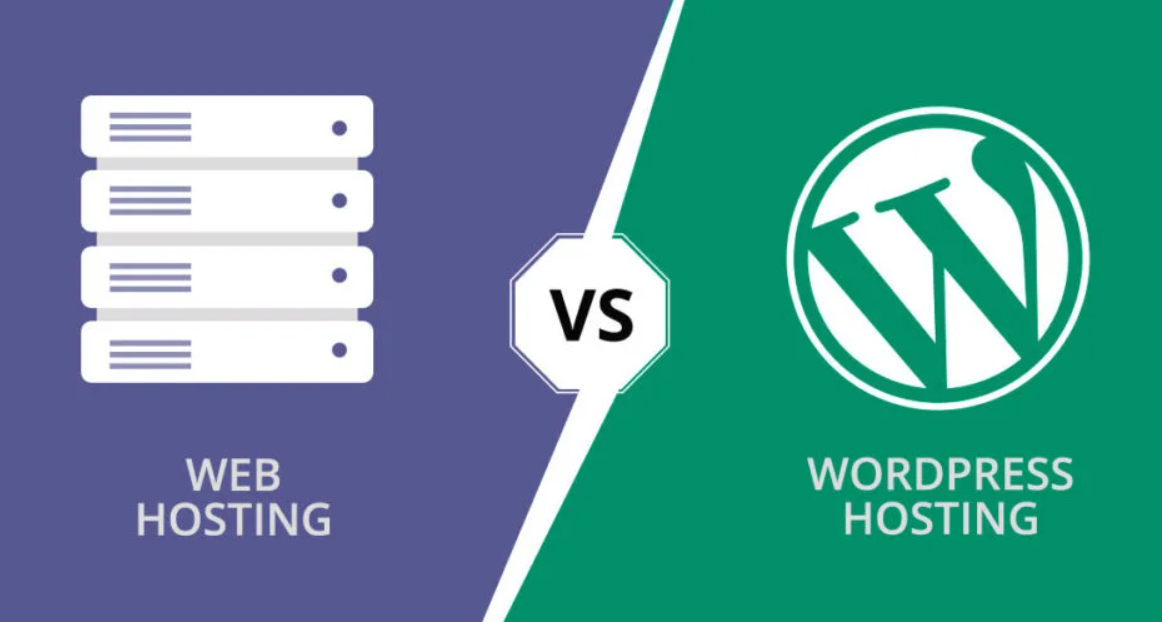
Shared hosting is often the entry point for beginners due to its affordability, as multiple websites reside on a single server, sharing its CPU, RAM, and storage. In contrast, Managed WordPress Hosting is a concierge service where the environment is specifically fine-tuned for the WordPress CMS, removing the technical burden from the user’s shoulders.
This specialization allows for higher efficiency but comes at a different price point and set of expectations.
The digital landscape is more competitive than ever, and a slow-loading site or a security breach can result in lost revenue and damaged reputations. Therefore, selecting a hosting plan is not just about cost; it is about aligning technical capabilities with business goals.
Whether launching a personal blog or a high-traffic e-commerce store, knowing how these hosting types differ in terms of speed, maintenance, and support will prevent future migrations and technical headaches. Exploring the specific advantages of each helps in identifying which solution provides the best return on investment for a unique online journey.
The Evolution of Web Hosting Architectures
Web hosting has evolved from simple file storage to complex, automated ecosystems. In the early days of the internet, shared hosting was the only viable option for small businesses.
One server would host hundreds, sometimes thousands, of websites. While this made the internet accessible to the masses, it also created “noisy neighbor” syndrome, where one site’s traffic spike could slow down everyone else on the same machine.
This limitation paved the way for more specialized services that could offer guaranteed resources and better stability.
As WordPress grew to power over 40% of the web, hosting providers realized that a generic server configuration was no longer sufficient. WordPress has specific requirements for PHP versions, database management, and caching mechanisms.
This led to the birth of Managed WordPress Hosting. Unlike generic hosting, these platforms are built from the ground up to support the WordPress architecture, utilizing advanced caching layers and server-side optimizations that are often absent in standard environments.
This evolution represents a shift from “renting space” to “buying a service.”
Today, the hosting market is diverse, offering everything from Cloud Hosting to VPS and Dedicated Servers. However, the Managed WordPress vs Shared Hosting debate remains the most relevant for the majority of users.
Shared hosting continues to thrive by offering user-friendly control panels like cPanel, while Managed providers focus on custom dashboards that simplify complex tasks like staging environments and automated backups. The choice between them often reflects a balance between budget and the desire for high-end technical performance.
What is Shared Hosting?
Shared hosting is the most common form of web hosting, characterized by multiple websites sharing the same server resources. Think of it like living in an apartment building.
Everyone shares the same infrastructure—the plumbing, the hallways, and the building’s main entrance. While you have your own private space, the overall health of the building depends on the behavior of all residents.
If one resident uses too much water, others might experience a drop in pressure. This is the fundamental trade-off of shared hosting.
The primary advantage of this model is cost-efficiency. By spreading the server maintenance costs across hundreds of users, providers can offer hosting for just a few dollars per month.
This makes it an ideal choice for hobbyists, students, or small businesses testing a new idea. Most shared hosting plans also come with a “one-click” installer for various scripts, including WordPress, making the initial setup process relatively painless for those who are not tech-savvy.
However, shared hosting comes with inherent risks. Security is a major concern; if one website on the server is compromised due to a vulnerable plugin, the entire server could be at risk.
Furthermore, resource limits are often strict. If a site starts receiving significant traffic, the host may temporarily suspend the account to prevent it from affecting other users.
For websites that demand high uptime and consistent speed, the shared model can eventually become a bottleneck as the site grows.
What is Managed WordPress Hosting?
Managed WordPress Hosting is a premium service where the hosting provider handles all the technical aspects of running WordPress. This includes security updates, core software updates, daily backups, and speed optimization.
Imagine this as staying in a luxury hotel. You don’t have to worry about cleaning, maintenance, or security; everything is handled by a professional staff so you can focus on your activities.
It is a specialized environment designed solely for the WordPress ecosystem.
The infrastructure of a managed host is usually built on high-performance cloud platforms like Google Cloud or AWS. They implement server-level caching, which means the website loads significantly faster than it would on a standard shared server.
Because the support team consists of WordPress experts, they can help troubleshoot specific plugin conflicts or theme issues that a general hosting support agent might not understand. This level of expertise is a significant value add for businesses that cannot afford downtime.
The “managed” aspect also includes proactive security. These hosts often have firewalls specifically tuned to block WordPress-specific attacks and malware.
They also provide features like “Staging Areas,” where you can test changes to your site before pushing them live. While the price is higher, the time saved on maintenance and the peace of mind regarding security often justify the investment for professional bloggers and enterprise-level websites.
Performance and Speed Comparison
Speed is a critical factor for SEO and user experience. On a shared hosting plan, the server is often “bloated” with various services to support multiple languages like Python, Ruby, and PHP.
This versatility comes at a cost to speed. Furthermore, because resources are shared, your site’s load time can fluctuate depending on the time of day and the activity of other websites.
If another site on your server is being hit by a botnet or a traffic surge, your site will likely feel the lag.
Managed WordPress Hosting tackles speed through specialization. Since the server only needs to run WordPress, the environment can be stripped of unnecessary background processes.
Common performance-enhancing features include:
- Server-side Caching: Using technologies like Varnish or Nginx FastCGI to serve static versions of pages instantly.
- Content Delivery Network (CDN): Integration with services like Cloudflare or StackPath to serve images and scripts from locations closer to the visitor.
- Latest PHP Versions: Managed hosts are usually the first to adopt the newest versions of PHP, which offer significant speed improvements.
- Object Caching: Utilizing Redis or Memcached to speed up database queries, which is vital for dynamic sites like WooCommerce.
In real-world testing, a WordPress site migrated from shared hosting to a managed provider often sees a 30% to 50% improvement in PageSpeed scores without changing any code. This is because the underlying hardware and software stack are optimized specifically for the database-heavy nature of WordPress.
For businesses where every second of delay results in a higher bounce rate, the performance gap between these two hosting types is the most compelling reason to upgrade.
Security Features and Maintenance
Security in a shared hosting environment is largely the responsibility of the user. While the host will secure the server itself, they rarely monitor the individual WordPress installations.
Users must install their own security plugins, manage their own firewalls, and ensure that every plugin and theme is up to date. If a site gets hacked, the host’s typical response is to take the site offline until the user cleans the malware themselves, which can be a daunting task for non-developers.
Managed WordPress providers take a much more active role. They often implement “Account Isolation,” ensuring that even if one site on their platform is breached, the infection cannot spread to others.
Many managed hosts also perform “Vulnerability Scanning” where they check your plugins against a database of known security flaws. If a critical vulnerability is found, they may even force-update the plugin for you to protect your data.
This proactive approach significantly reduces the likelihood of a successful cyberattack.
Automated backups are another cornerstone of managed services. While some shared hosts offer backups, they are often weekly or require an additional fee for restoration.
Managed hosts typically provide daily, automated backups with one-click restore points. If a site breaks after a design change, it can be reverted to its previous state in seconds.
This safety net allows site owners to experiment and grow with the confidence that their data is always recoverable.
Cost Analysis: Short-term Savings vs Long-term Value
When comparing prices, Shared Hosting is the clear winner on the surface. Plans can range from $2.00 to $10.00 per month.
For a beginner on a tight budget, this is an attractive entry point. However, these low prices often come with hidden costs.
Many shared hosts charge extra for SSL certificates, backups, security monitoring, and professional support. Additionally, the time spent manually updating plugins and troubleshooting performance issues has a monetary value that is often overlooked.
Managed WordPress Hosting typically starts at $20.00 to $30.00 per month and can scale up into the hundreds for high-traffic sites. While this seems expensive, the inclusion of premium features like SSL, CDN, automated backups, and staging environments often offsets the cost.
If you were to purchase these services separately on a shared plan, the total monthly bill might actually exceed that of a managed plan. Furthermore, the specialized support can save hours of frustration, allowing business owners to focus on content and marketing rather than server management.
Consider the “opportunity cost” of a slow or broken website. If a site earns $100 a day and goes down for five hours because of a hosting issue, that is a $20 loss—not to mention the potential impact on search engine rankings.
Managed hosting acts as a form of insurance. By paying more upfront, you reduce the risks associated with downtime and slow performance, which often leads to higher conversion rates and better SEO results over time.
Which One Should You Choose?
The decision depends on the current stage of the website and the goals of the owner. There is no one-size-fits-all answer, as both hosting types serve specific niches in the market.
To help decide, it is useful to look at the typical profiles for each hosting type. If the primary goal is to learn how WordPress works or to host a low-stakes hobby project, shared hosting is more than sufficient.
It provides a playground to experiment without a significant financial commitment.
Choose Shared Hosting if:
- Budget is the primary constraint.
- The website is a personal blog or a small local business with low traffic.
- The user is comfortable managing their own security and updates.
- Multiple small websites need to be hosted under one account.
- The site does not yet generate significant revenue.
Choose Managed WordPress Hosting if:
- The website is a primary source of income or a business asset.
- Traffic is growing and consistent performance is required.
- Security and data integrity are top priorities.
- The user lacks the technical skill or time to manage server-side updates.
- Features like staging environments and specialized WordPress support are needed.
The Impact on SEO and User Experience
Search engines like Google have explicitly stated that page speed is a ranking factor, especially with the introduction of Core Web Vitals. Managed WordPress Hosting providers prioritize these metrics by optimizing “Time to First Byte” (TTFB) and “Largest Contentful Paint” (LCP).
Because the servers are optimized for WordPress, the heavy PHP and database processing happens more quickly, resulting in a snappier experience for the user. A fast-loading site keeps visitors engaged longer, reducing bounce rates and increasing the likelihood of conversions.
User experience also extends to uptime. Shared hosts often have higher “burst” capacities but lower overall stability compared to managed environments.
If a site is frequently down or slow during peak hours, it sends a negative signal to search engines. Managed hosts often provide a 99.9% uptime guarantee backed by a Service Level Agreement (SLA).
For an e-commerce site, this reliability is non-negotiable. Consistent uptime ensures that search engine crawlers can always index the site, maintaining visibility in search results.
Furthermore, Managed WordPress Hosting often includes advanced features that help with SEO indirectly. For example, easy integration with SSL certificates (HTTPS) is standard.
Google prioritizes secure sites, and while most hosts now offer Free SSL via Let’s Encrypt, managed hosts make the implementation seamless and automatic. The ability to easily create a staging site also means that major SEO changes or redesigns can be tested thoroughly before going live, preventing accidental “SEO suicide” where a broken update causes a drop in rankings.
Scalability and Growth Potential
Scaling a website on shared hosting can be a painful process. As traffic increases, the site will eventually hit the “resource ceiling” of the shared server.
When this happens, the site might start throwing 508 Resource Limit Exceeded errors. Moving to a larger plan usually involves migrating the entire site to a new server, which carries the risk of data loss or downtime.
Shared hosting is designed for static needs, not for rapid growth.
Managed hosting is built for scalability. Many managed providers use containerized technology, meaning resources can be increased instantly without moving to a different server.
If a site goes viral or has a successful marketing campaign, managed hosts can often handle the traffic spike gracefully. Some providers even offer auto-scaling features where additional CPU or RAM is temporarily allocated to handle the load.
This flexibility is vital for businesses that plan to grow their audience over time.
Moreover, the tools provided by managed hosts simplify the growth process. Detailed analytics dashboards show which pages are consuming the most resources, allowing for targeted optimization.
Access to professional support means that as your site becomes more complex with plugins and integrations, you have a team of experts to guide the technical expansion. This infrastructure supports a “growth mindset,” ensuring that the hosting environment is an enabler of success rather than a limitation.
Top Managed WordPress Hosting Providers
When looking for high-quality managed services, several companies stand out for their commitment to performance and customer support. These providers have built reputations specifically within the WordPress community by sponsoring events and contributing to the core software.
Choosing a recognized leader in the space ensures access to the latest hosting technologies and a reliable support team.
- WP Engine: Often considered the gold standard in managed hosting, WP Engine offers a robust platform with advanced developer tools and excellent security.
- Kinsta: Powered by the Google Cloud Platform, Kinsta is known for its incredible speed and user-friendly custom dashboard.
- Flywheel: A favorite among designers and agencies, Flywheel focuses on aesthetics and workflow tools that make managing multiple client sites easy.
- SiteGround: While they offer shared plans, their specialized WordPress hosting plans bridge the gap, offering managed-like features at a more accessible price point.
- Pressable: Owned by Automattic (the company behind WordPress.com), Pressable offers deep integration with the WordPress ecosystem.
Before selecting a provider, it is wise to check their official websites for the latest features and pricing. For instance, visiting the WordPress.org hosting page can provide insights into which hosts are officially recommended by the developers of the software.
Comparing these options based on your specific needs—such as server location, budget, and required disk space—will lead to the best long-term partnership for your website.
How to Migrate from Shared to Managed Hosting
Migrating a website might seem intimidating, but most managed providers aim to make this transition as smooth as possible. Because they want your business, they often provide tools or services to handle the technical heavy lifting.
If the current shared hosting environment is becoming too slow or unreliable, following a structured migration plan will ensure no data is lost during the move.
- Sign up for a Managed Plan: Choose a provider and plan that fits the current traffic levels and future growth projections.
- Use a Migration Plugin: Many hosts, like Kinsta or WP Engine, have their own dedicated plugins. Simply install the plugin on the old site, enter the credentials for the new site, and the data transfer begins automatically.
- Request a Professional Migration: Many premium hosts offer one or more free “White Glove” migrations where their internal team handles the move for you.
- Test the Staging Site: Before changing domain settings, preview the site on a temporary URL provided by the new host to ensure everything looks and functions correctly.
- Update DNS Records: Once satisfied, point the domain’s A-record or Nameservers to the new hosting provider.
- SSL and Final Checks: Ensure the SSL certificate is active on the new host and check for any broken links or missing images.
This process typically takes less than 24 hours to propagate across the internet. During this time, it is best to avoid making content updates to the old site to prevent data discrepancies.
Once the migration is complete, the difference in speed and administrative ease is usually immediately apparent, validating the decision to upgrade.
Common Myths About Managed Hosting
There are several misconceptions that often prevent people from choosing managed hosting. One common myth is that managed hosting “restricts” what you can do.
While it is true that some hosts ban specific plugins (usually because they are redundant, like caching plugins, or known security risks), this is done to maintain the health and speed of the server. In reality, these restrictions actually lead to a better-performing website.
Another myth is that managed hosting is only for large corporations. With the rise of the “solopreneur” and the professional blogger, managed hosting has become an affordable necessity for anyone whose livelihood depends on their web presence.
The “expensive” tag is relative; if the service saves five hours of manual labor per month, it has already paid for itself. It is about value, not just the bottom-line price.
Lastly, some believe that managed hosting is only for those who are not technical. On the contrary, developers often prefer managed hosting because of the advanced tools provided.
Features like SSH access, Git integration, and easy-to-use staging environments allow developers to work more efficiently. Managed hosting isn’t just for people who “don’t know how” to manage a server; it’s for people who realize their time is better spent elsewhere.
Conclusion
In the debate of Managed WordPress Hosting vs Shared Hosting Explained, the “right” choice is determined by the specific needs, budget, and technical expertise of the user. Shared hosting remains a fantastic, low-cost entry point for those just starting their journey or running small-scale projects.
It offers the basic tools necessary to get a site online and allows for a high degree of flexibility at a minimal price. For a new blogger or a local club, the benefits of shared hosting often outweigh the limitations.
However, for those who view their website as a critical business tool, Managed WordPress Hosting is a superior investment. The combination of optimized speed, proactive security, automated maintenance, and expert support creates a foundation that allows a business to scale without technical friction.
While the monthly cost is higher, the ROI is found in improved SEO rankings, better user retention, and the priceless peace of mind that comes from knowing the site is in expert hands. Ultimately, choosing managed hosting is a decision to prioritize quality and reliability over the lowest possible price.
As the internet continues to evolve, the expectations for website performance will only increase. Starting on shared hosting and migrating to managed hosting as a site grows is a common and effective strategy.
By understanding the strengths and weaknesses of each model, site owners can make informed decisions that support their digital goals today and well into the future. Whether you choose the economy of shared or the luxury of managed, the key is to stay proactive in managing your site’s health and performance.
Frequently Asked Questions (FAQ)
Does Managed WordPress Hosting include email accounts?
Unlike shared hosting, many managed WordPress providers do not include email hosting in their plans. They focus strictly on web performance.
Users are often encouraged to use professional email services like Google Workspace or Microsoft 365, which offer better deliverability and security than standard host-provided email.
Can I host a non-WordPress site on Managed WordPress Hosting?
Generally, no. Managed WordPress platforms are specifically tuned for WordPress and often do not support other CMS platforms like Joomla, Drupal, or custom-coded HTML sites.
If you need to host multiple types of websites, a general Shared or VPS hosting plan would be more appropriate.
Is Managed WordPress Hosting really faster?
Yes, in almost all cases. Because the hardware, server-side software (like Nginx), and caching layers are all configured specifically for WordPress’s PHP and database structure, the site will load faster than on a generic shared server that has to support a wide variety of applications.
Will I lose control of my site if I use managed hosting?
Not at all. You still have full administrative access to your WordPress dashboard.
The “managed” part refers to the server environment and basic maintenance tasks. You still control your content, design, and which plugins you choose to use (within the host’s security guidelines).
Is shared hosting safe enough for a small business?
Shared hosting can be safe if the user is diligent. This means using strong passwords, keeping all themes and plugins updated, and using a reputable security plugin like Wordfence.
However, for a business that handles sensitive customer data, the enhanced security of a managed host is highly recommended.